Where are we shipping to?
We use cookies to save your preferred shopping region. By selecting 'Remember Me' you consent to the use of cookies as described in our Privacy Policy
Discover actionable insights and proven strategies to help your business embrace sustainability. Our collection of research, white papers, and real-world case studies showcases innovative solutions and measurable results from businesses that have made sustainability a priority.

Ocean NGOs, investors and brands urge COP31 to make Zero Waste count for the climate by recognising the carbon saved when recycled plastic replaces virgin. The first answer is always to reduce: to make and use less. But billions of tonnes of plastic already exist, and much of it is mismanaged in the coastal communities least equipped to deal with it. When that material is intercepted before it reaches the ocean and recycled into products that replace virgin plastic, it does two jobs at once. It keeps plastic out of the sea, and it avoids the emissions of making new material.
This guide walks through each of our ranges, POLLAST!C, Compostable, Bamboo and 0PACKS, with the words that work, the ones to avoid, and why. Whether it's in an EDM to your customers or a mention on the Responsibility page of your website, you should be proud to talk about why you've made the Better packaging choices you have. However, regulators in Australia, New Zealand, the UK, the EU and the US are cracking down on vague, unsubstantiated green claims, and your customers can spot fluff a mile away.
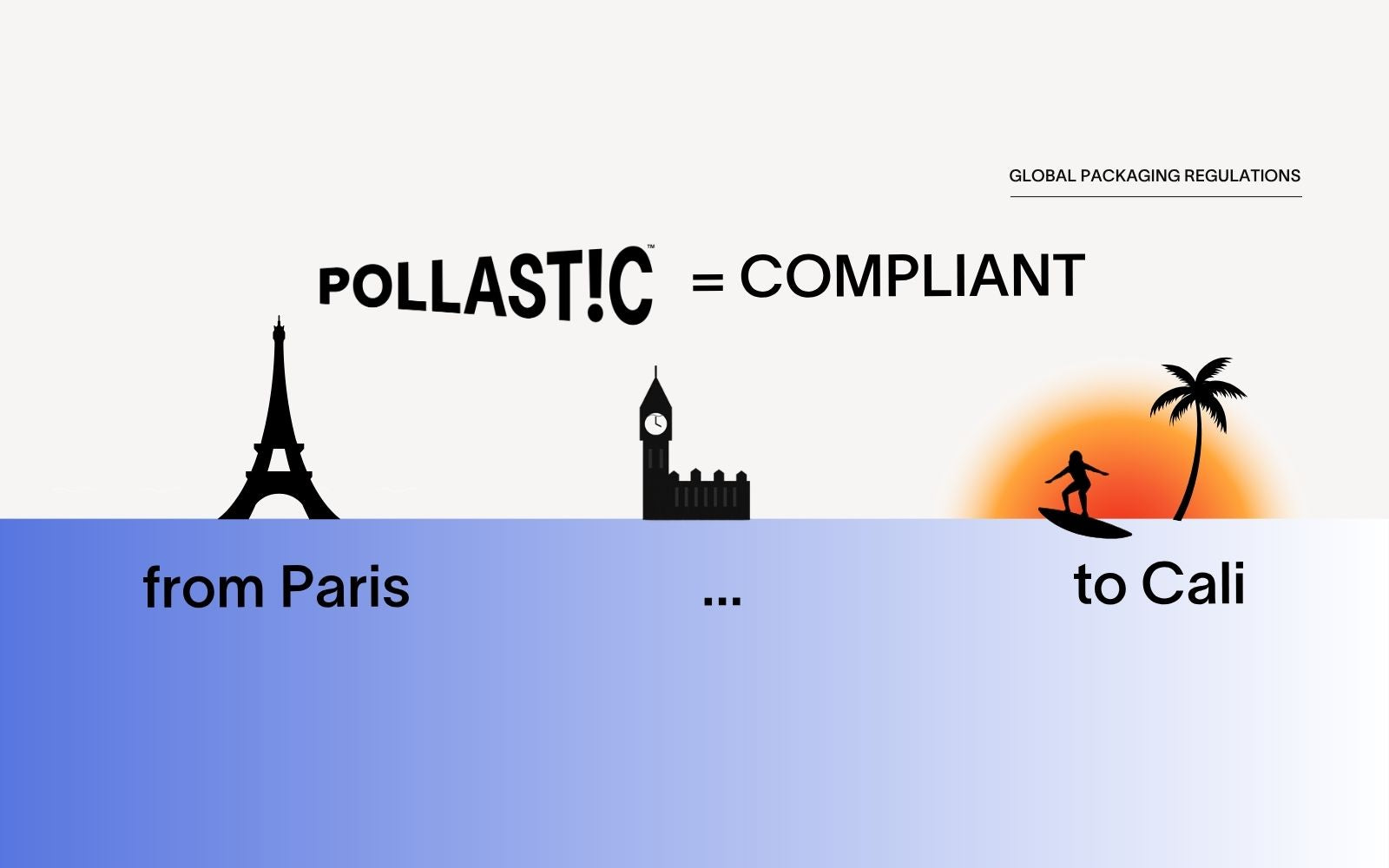
Packaging regulations globally are tightening fast, particularly in the EU, UK, and California. POLLAST!C Packaging is designed to be compliant. This article sets out how, market by market, regulation by regulation, with the certifications and test data behind each claim.
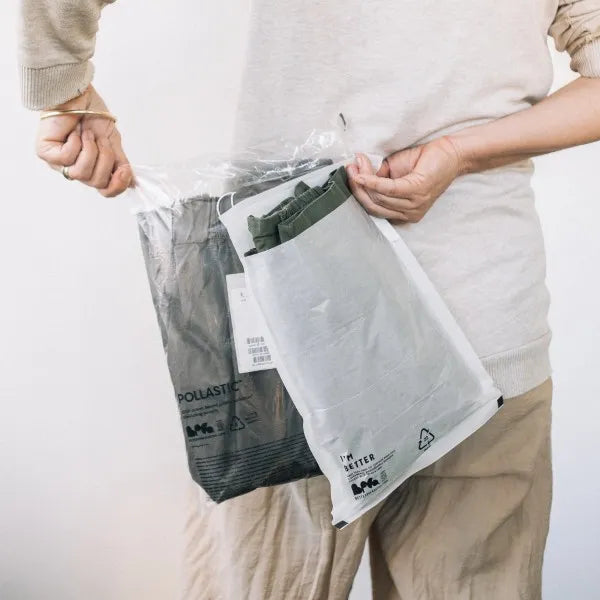
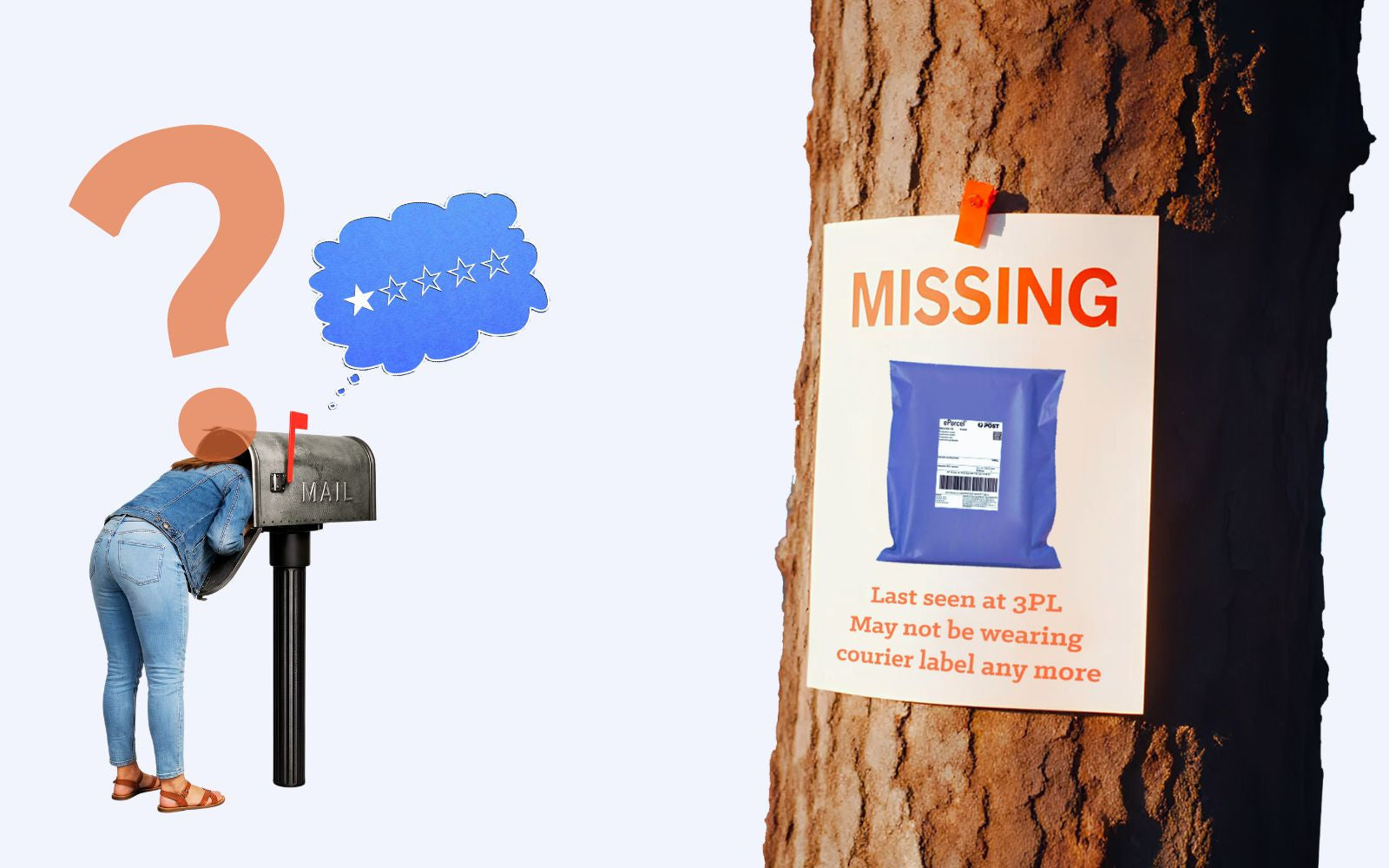
For eCommerce brands, a lost or damaged parcel isn’t just a logistics issue, it means disappointed customers, bad reviews, support tickets, refunds and reships, and lost opportunities for repeat business … Not to mention it’s also bad for the environment! The good news? High-quality poly mailers designed to perform in real-world conditions can prevent these issues from happening.
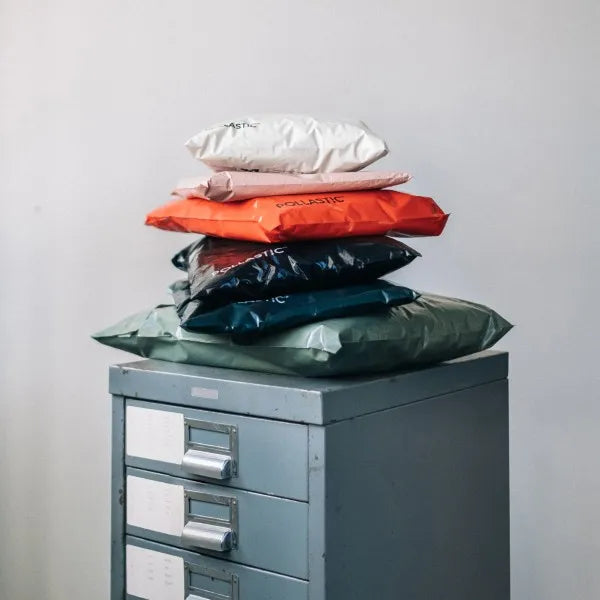
POLLAST!C isn’t just sustainable - it’s the best. Made from 100% recycled Ocean Bound Plastic, our mailers outperform competitors across every key quality metric, proving Kiwi brands don’t have to compromise performance for sustainability.
We’ve helped thousands of start-ups scale their packaging solutions, from shipping their very first order to sending thousands of branded parcels each month. Here’s your step-by-step guide to packaging for New Zealand start-ups.
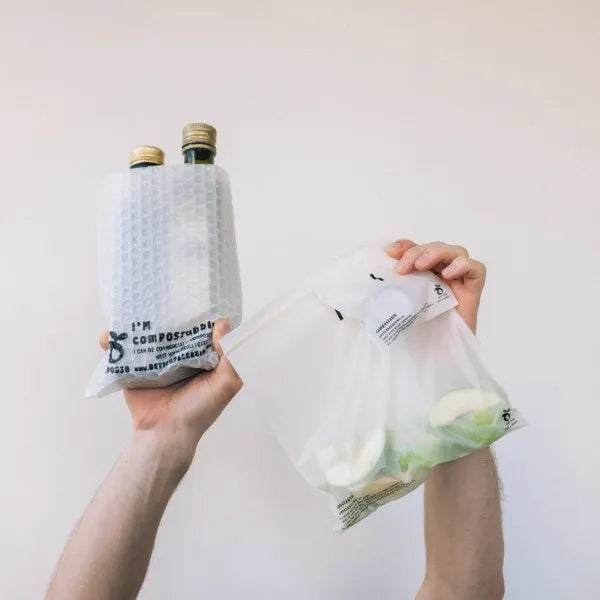
Discover what makes a resource renewable, why bamboo and bagasse are gamechangers for sustainable packaging, and how renewability impacts your brand's environmental footprint.
A Lifecycle Analysis (LCA) is a scientific method that helps companies assess the environmental impact of a product throughout its entire lifecycle, from raw material extraction to manufacturing, transportation, use, and disposal (often referred to as "cradle-to-grave"). This gives businesses a meansofmaking informed decisions about which materials to use and how tooptimise theirsupply chains forsustainability.
Let's break down the key criteria that Certified 'Ocean Bound Plastic' must meet and why plastic pollution collected from up to 50km from the coast is considered 'Ocean Bound'. Spoiler alert: Water plays a crucial role in transporting plastic from miles inland to the ocean!
Make your selections below